The front elevation for Mr. Bansal’s residence is designed with a modern architectural approach that emphasizes fluidity, balance, and clean expression. The key highlight of the façade is its graceful curved form, which breaks away from the conventional boxy geometry and brings a sense of softness and movement to the overall massing.
A refined mix of neutral tones, glass, and textured finishes creates a contemporary visual harmony. The use of curvilinear elements seamlessly integrates the balcony edges and facade lines, lending the structure a distinctive identity. Vertical fins and layered surfaces add depth, while concealed lighting enhances the façade at night, accentuating its curves and material transitions.
The design language focuses on modern minimalism with an artistic twist, ensuring that the elevation stands out yet remains timeless. The careful interplay of proportions, materials, and lighting makes this residence a statement of modern architectural elegance suited to urban Dehradun’s evolving skyline.

architect:
project type:
Terms:
client:
Location:
Scope:
Design in Details
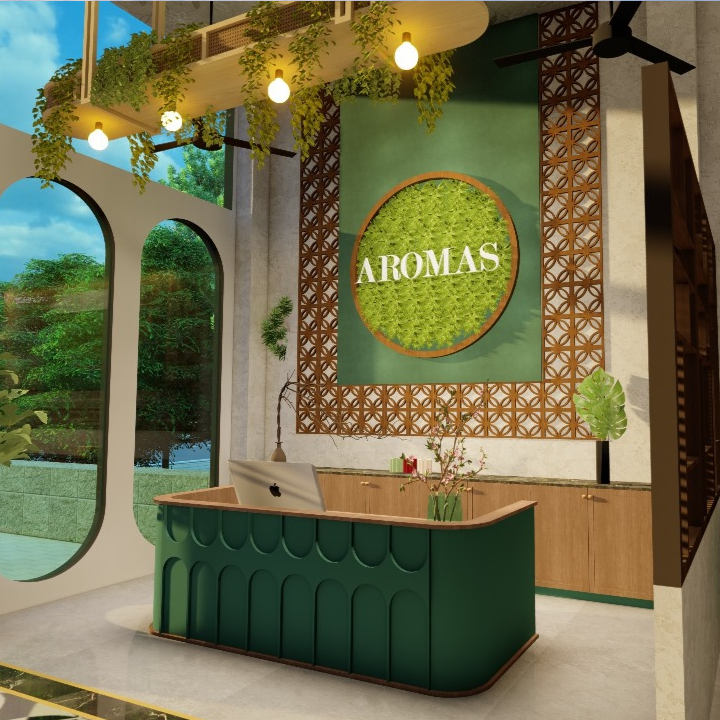
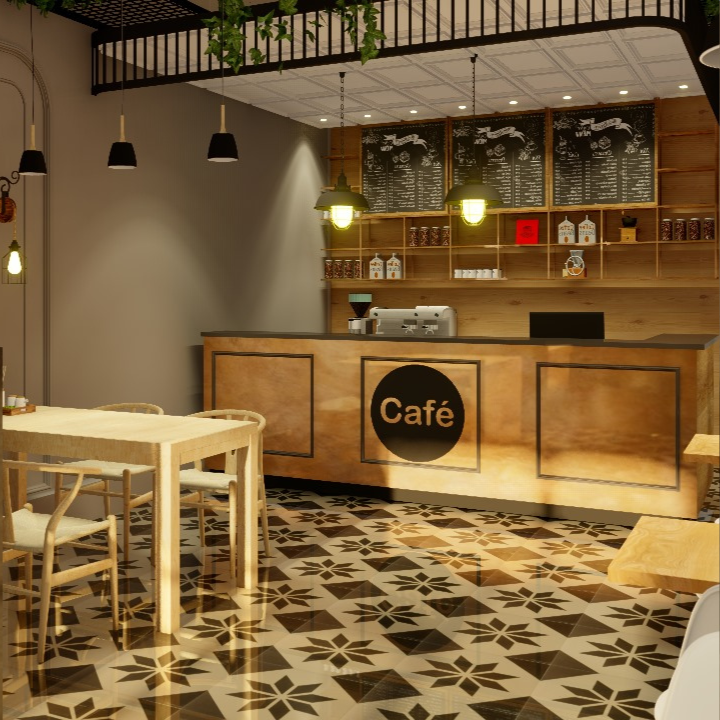
In design, we bring characteristics of the natural world into built spaces, such as water, greenery, and natural light, or elements like wood and stone. Encouraging the use of natural systems and processes in design allows for exposure to nature, and in turn, these design approaches improve health and wellbeing. There are a number of possible benefits, including reduced heart rate variability and pulse rates, decreased blood pressure, and increased activity in our nervous systems, to name a few.
Over time, our connections to the natural world diverged in parallel with technological developments. Advances in the 19th and 20th centuries fundamentally changed how people interact with nature. Sheltered from the elements, we spent more and more time indoors. Today, the majority of people spend almost 80-90% of their time indoors, moving between their homes and workplaces. As interior designers embrace biophilia.
Incredible Result
Establishing multi-sensory experiences, we can design interiors that resonate across ages and demographics. These rooms and spaces connects us to nature as a proven way to inspire us, boost our productivity, and create greater well-being. Beyond these benefits, by reducing stress and enhancing creativity, we can also expedite healing. In our increasingly urbanized cities, biophilia advocates a more humanistic approach to design. The result is biophilic interiors that celebrate how we live, work and learn with nature. The term translates to ‘the love of living things’ in ancient Greek (philia = the love of / inclination towards), and was used by German-born American psychoanalyst Erich Fromm in The Anatomy of Human Destru ctiveness (1973).